
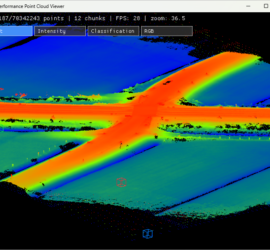
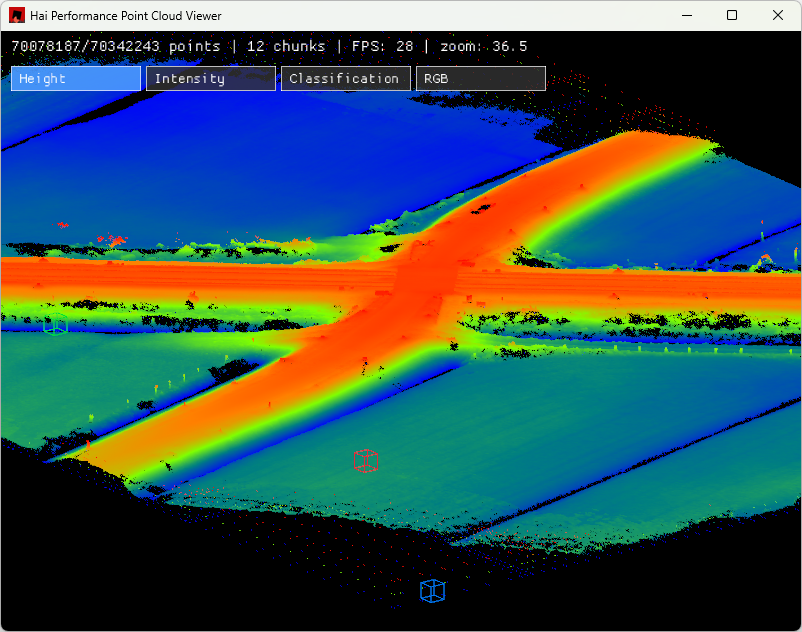
Ich wollte schon lange meinen eigenen Punktwolken-Viewer bauen. CloudCompare ist zwar mein täglicher Begleiter, aber ich hätte gern etwas, das ich erweitern und in dem ich eigene Algorithmen ausführen kann. Ich habe mir bereits Unity, Godot […]
Blog
104 Beiträge

One peculiarity of Rust is its Result type. In many other programming languages, you’ll probably use a bool or int to indicate successful function execution. If you’re new to Rust and take a look at Rust code, you’ll […]

Despite a history with Linux that reaches back more than 25 years, Windows is my main desktop operating system – partly because having been in corporate environments where I was force to use it, partly because […]
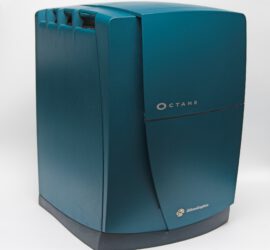
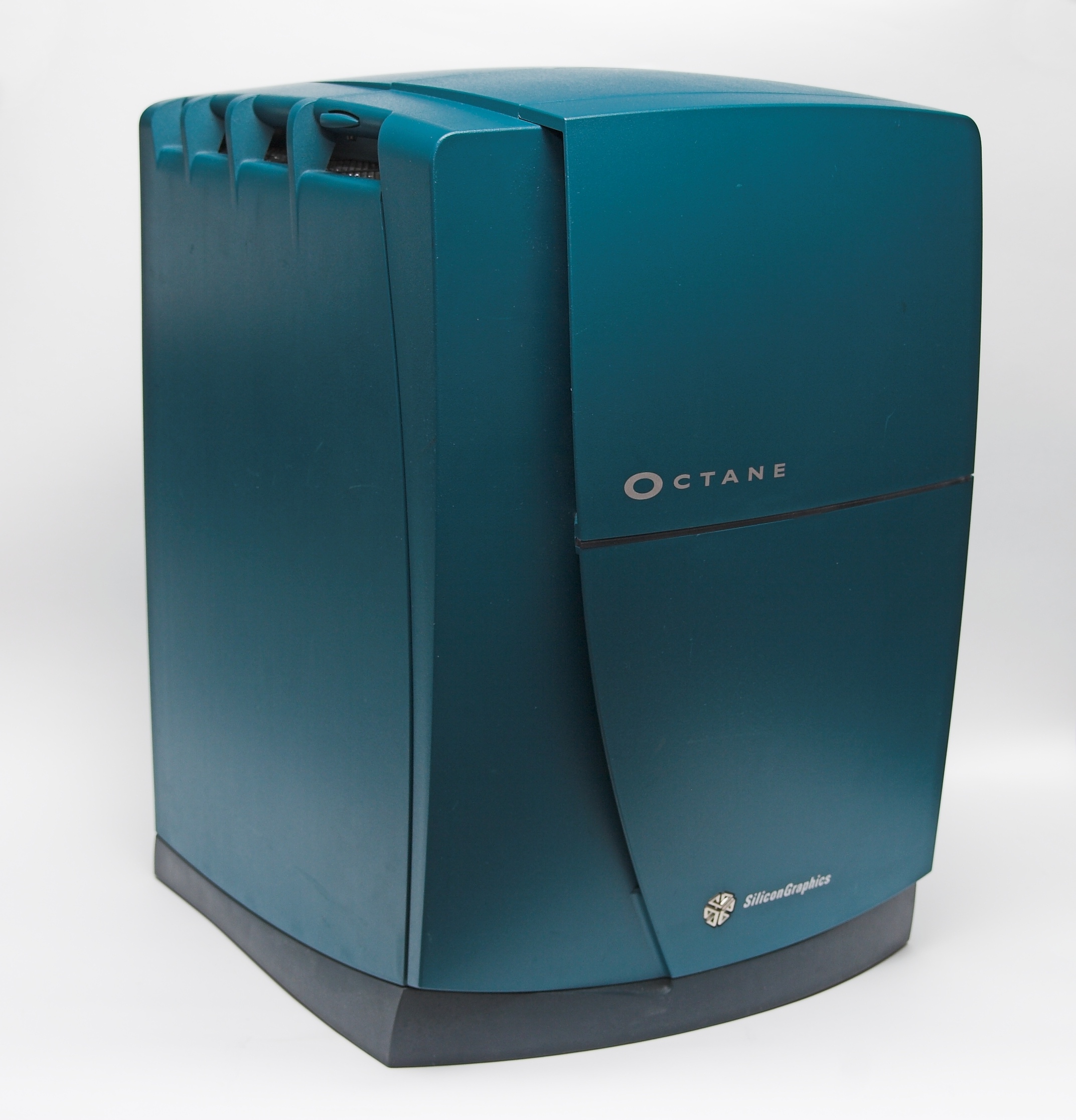
Alle Bilder stammen von Wikipedia, sofern nicht anders angegeben. Was ist eine Workstation? Die Definition von Wikipedia beginnt mit Eine Workstation ist ein spezieller Computer für technische oder wissenschaftliche Anwendungen. Sie ist in erster Linie für […]
After first investigating Rust superficially some time ago, I’ve now started to really use it. As I’ve written before, my programming background is C/C++, Fortran, C#, and more recently Python. With that experience, some things about […]

So far, all my data processing pipelines required manual intervention or were tied together with batch/shell scripts. In most cases, I had to copy batch scripts to the folder where they had to process data, and […]

LAZ is my preferred point cloud format, as it is a lossless compressed format that is considerably smaller than uncompressed LAS. One thing that has always bugged me is that reading LAZ is quite slow, at […]
Despite having AI in the company name, I’m somewhat critical of the benefits provided of generative AI/Large Language Models (LLMs). I find that the answers often leave something to be desired, and the general consensus now seems to […]
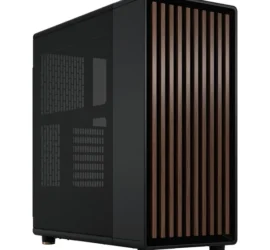




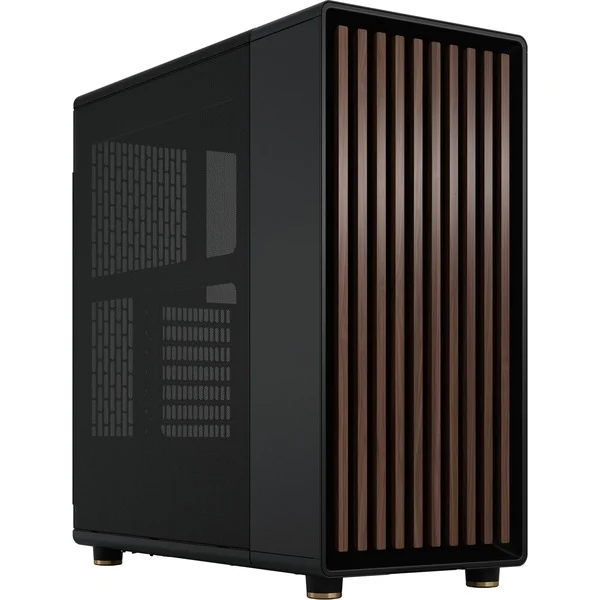
Computers don’t age as fast as they used to. My first computer, bought in 1993, was a 386 DX 40 with 4MB RAM and 170MB harddisk. It was replaced six years later with a Pentium III […]